18/05/2026
Klara Bauer
LIGHT AS A MATERIAL
How natural light shapes a room before a single piece of furniture is placed.
Most design briefs start with furniture, finishes, and colour. But the best interiors begin with something less tangible — how light moves through a space across the day. Understanding that changes every decision that follows. It determines where you sit, what colours read as true, and which materials are worth investing in at all.
Why the direction your windows face matters more than the size of your budget.
A north-facing room and a south-facing room are fundamentally different spaces — and no amount of clever styling fully overrides that. Designers who work with light rather than against it make choices that compound: the right finish in the right spot catches light in a way that makes a room feel larger, warmer, or more grounded without adding anything extra. Curtain weight, wall colour, surface sheen — all of these decisions only make sense once you understand the quality of light you're working with. It's one of the first things we map in any project, and it consistently shapes everything that comes after.
On choosing paint colours before you've lived in the light.
A shade that looks perfect in the shop can read completely differently on your walls at 4pm in January. Before committing to any finish, spend time in the room at different hours and in different seasons if you can. Colour is never just colour — it's always a conversation with the light around it.

Morning light does something no lamp can replicate.
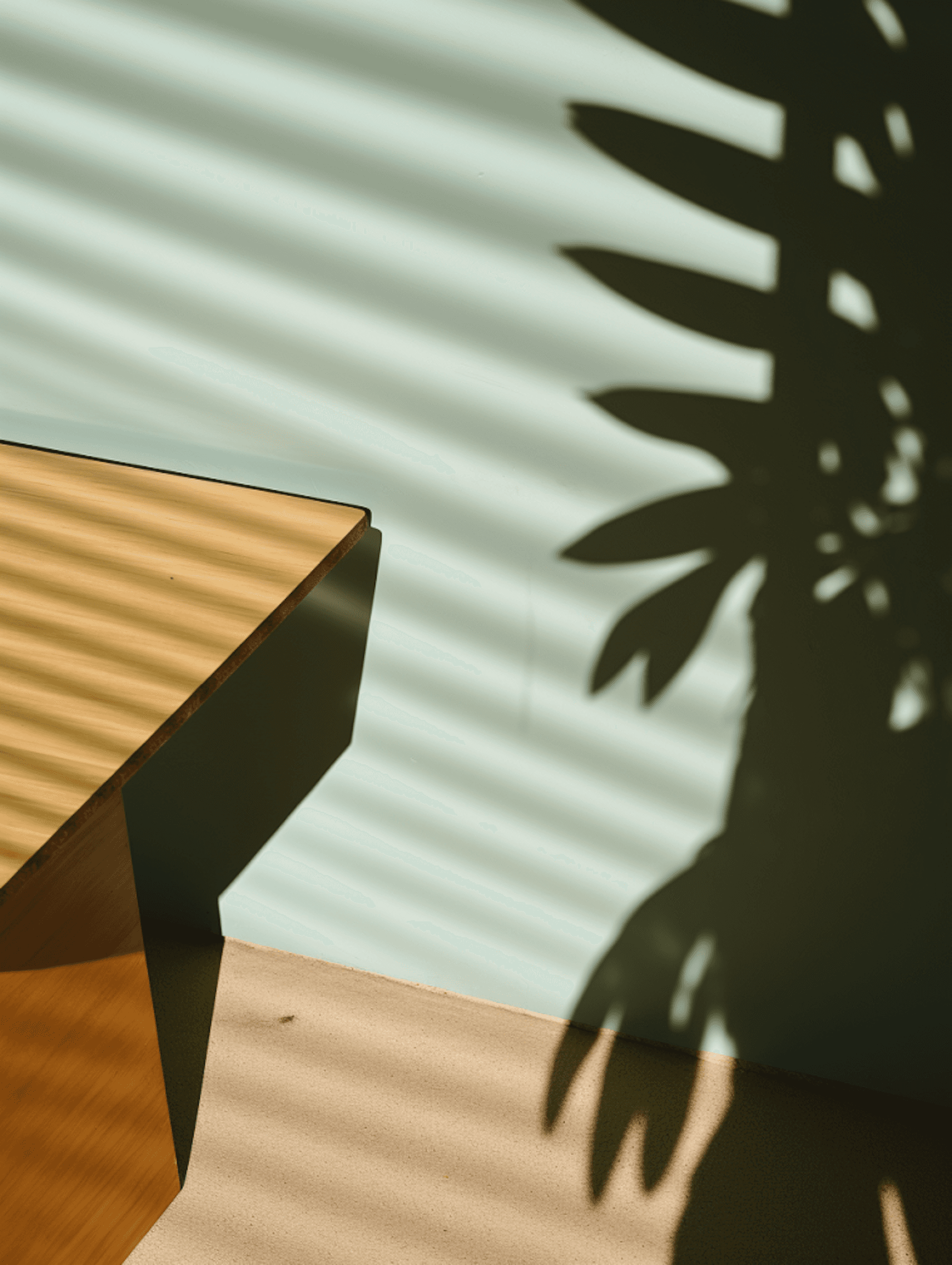
The right curtain doesn't block light — it filters it.

Matte surfaces absorb. Polished ones redistribute.

What looks warm in a showroom can feel cold by afternoon.

